
COP29, held in Baku, Azerbaijan, from November 11–22, 2024, provided a platform for global leaders, policymakers, and activists to address the escalating climate crisis. For Uganda, a nation increasingly defined by its vulnerabilities, the conference outcomes hold significant promise. However, they also highlight the urgent need to address ongoing climate emergencies that threaten lives, livelihoods, and progress.
In recent months, Uganda has faced a series of climate-induced challenges. From severe flooding in eastern districts that displaced thousands to prolonged droughts in northern regions impacting food production, the climate crisis is not a distant threat anymore but a reoccurring reality. As the world reflects on COP29’s commitments, we must focus on transforming these promises into actionable solutions to mitigate these crises and build resilience.
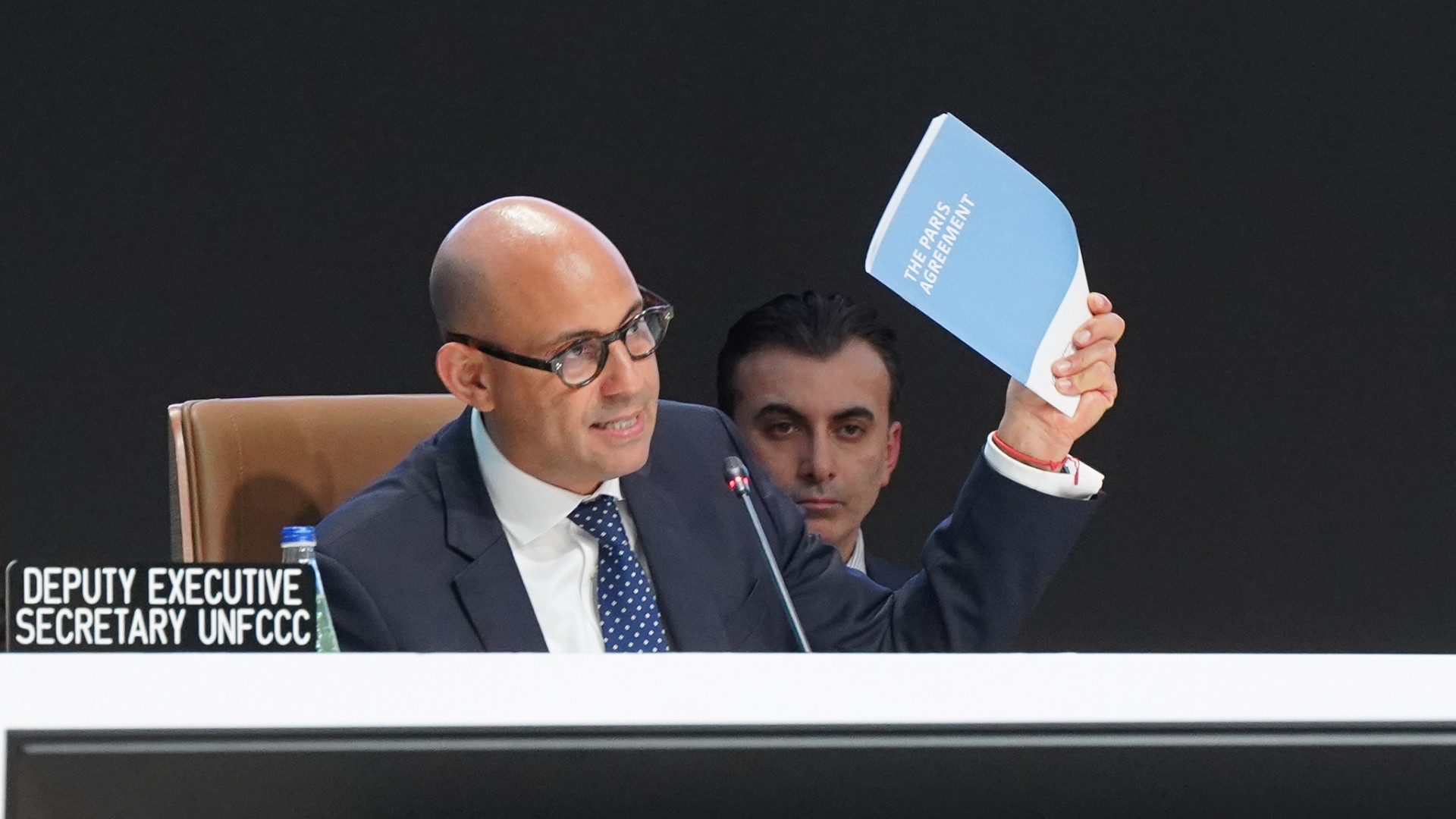

This new finance goal is an insurance policy for humanity.
UN Climate Change Executive Secretary Simon Stiell Tweet
Transparent climate reporting made big strides forward in Baku, building a stronger evidence base to strengthen climate policies over time, and helping to identify financing needs and opportunities.
All transparency negotiating items concluded successfully at COP29, with Parties expressing their appreciation for the timely completion of the Enhanced Transparency Framework (ETF) reporting tools, the technical trainings, the support provided to developing countries for reporting under the ETF that took place in 2024, and the successful launch of the review process.
COP29 also reached agreement on carbon markets – which several previous COPs had not been able to achieve. These agreements will help countries deliver their climate plans more quickly and cheaply, and make faster progress in halving global emissions this decade, as required by science.
A notable achievement during the conference was the progress made on carbon markets. After nearly a decade of work, countries agreed on the final building blocks that set out how carbon markets will operate under the Paris Agreement, making country-to-country trading and a carbon crediting mechanism fully operational.
COP29 was an important moment for adaptation, with the delivery of several key outcomes. The COP decision on matters relating to the least developed countries (LDCs) contains a provision for the establishment of a support programme for the implementation of National Adaptation Plans (NAPs) for the LDCs. Parties extensively discussed the second five-year assessment of progress to formulate and implement NAPs, and will continue that in June 2025.
COP29 took a decisive step forward to elevate the voices of Indigenous Peoples and local communities in climate action, adopting the Baku Workplan and renewing the mandate of the Facilitative Working Group (FWG) of the Local Communities and Indigenous Peoples Platform (LCIPP). The adopted decision acknowledges the progress made by the FWG in fostering collaboration among Parties, Indigenous Peoples and local communities, and underscores the leadership of Indigenous Peoples and local communities in addressing the climate crisis.
Countries agreed a decision on gender and climate change, extending the enhanced Lima Work Programme on Gender and Climate Change for another 10 years, reaffirming the importance of gender equality and advancing gender mainstreaming throughout the convention.
They also agreed to develop a new gender action plan for adoption at COP30, which will set the direction for concrete implementation.
COP29 marked a significant milestone as dedicated spaces were created to ensure the meaningful participation of children within the Youth-led Climate Forum for the first time. Four children, including the youngest at just 10 years old, took on roles as moderators and speakers, engaging directly with Parties and observer organizations. Their participation highlighted the importance of inclusivity and intergenerational collaboration in driving climate action.
For detailed insights and further updates about COP29 and its outcomes, please visit the official UNFCCC website or check trusted climate news platforms. Stay informed about the strides toward global climate action!
COP29 addressed pressing priorities that resonate deeply with Uganda’s climate challenges:
Enhanced Climate Finance:
The Accelerated Green Energy Transition Fund introduced at COP29 aims to support renewable energy initiatives in developing nations. For Uganda as a country, this presents an opportunity to expand access to clean energy, particularly in flood- and drought-prone areas where reliable power can aid in disaster response and recovery efforts.
Loss and Damage Fund Activation:
Uganda’s recent flooding, which destroyed homes and infrastructure in the Elgon region, exemplifies the urgent need for the Loss and Damage Fund. This fund could provide critical resources to rebuild affected communities, improve flood defenses, and enhance disaster preparedness.
Strengthened Nationally Determined Contributions (NDCs):
Uganda’s updated NDCs, presented at COP29, include commitments to sustainable agriculture, forest restoration, and renewable energy. These align with the pressing need to address food insecurity caused by droughts in Karamoja and other regions, which have left thousands without reliable access to food.


The recent impacts of climate change in Uganda paint a stark picture:
To address these challenges, we must focus on implementing COP29 commitments in a way that directly addresses its unique vulnerabilities:
Investing in Climate-Resilient Infrastructure:
Climate finance should prioritize building flood-resistant roads, bridges, and housing in vulnerable areas. These measures can reduce the impact of extreme weather events and enhance community resilience.
Promoting Sustainable Agriculture:
Leveraging COP29’s emphasis on adaptation, Uganda as a country can scale up climate-smart agriculture practices. Drought-resistant crops, improved irrigation systems, and agroforestry can help mitigate food insecurity while promoting sustainable land use.
Enhancing Early Warning Systems:
Recent flooding and droughts showcase the need for advanced early warning systems. Investments in climate data collection and dissemination can empower communities to prepare for and respond to extreme weather events more effectively.
Expanding Reforestation Initiatives:
Restoring Uganda’s degraded forests can mitigate flood risks, improve water retention, and enhance carbon sequestration. Community-led tree planting programs, supported by international funding, can drive this effort.
The urgency for action is reflected in the words of Ugandan climate activist Vanessa Nakate:
“Many Africans are losing their lives; countless more are losing their livelihoods. The climate crisis is about people’s lives, and it needs to be addressed urgently. Africa is on the front lines, yet it has contributed the least to the problem.“
Uganda’s climate challenges require both global and local solutions. While COP29 provides a framework, the responsibility lies with our policymakers, communities, and individuals to turn these commitments into actionable strategies that address immediate needs.
COP29 has set the stage, but implementation is key. As individuals and citizens, we must actively engage with global mechanisms such as the Loss and Damage Fund while strengthening our domestic response to climate change. Transparency, collaboration, and innovation will be essential to ensuring that the promises made in Baku translate into meaningful change on the ground.
The time for action is now.
Copyright © 2026 Ekcians Greenlyf Foundation. All rights reserved.