
Building Climate Resilience: World Vision’s Visit to Ekcians GreenLyf Foundation
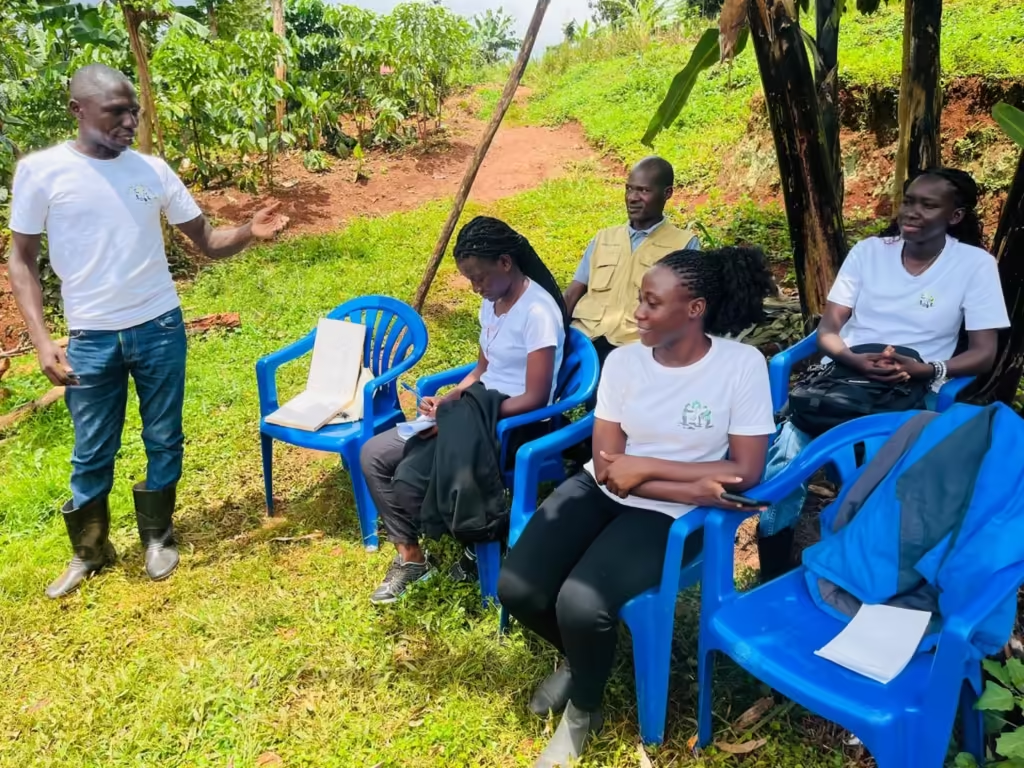
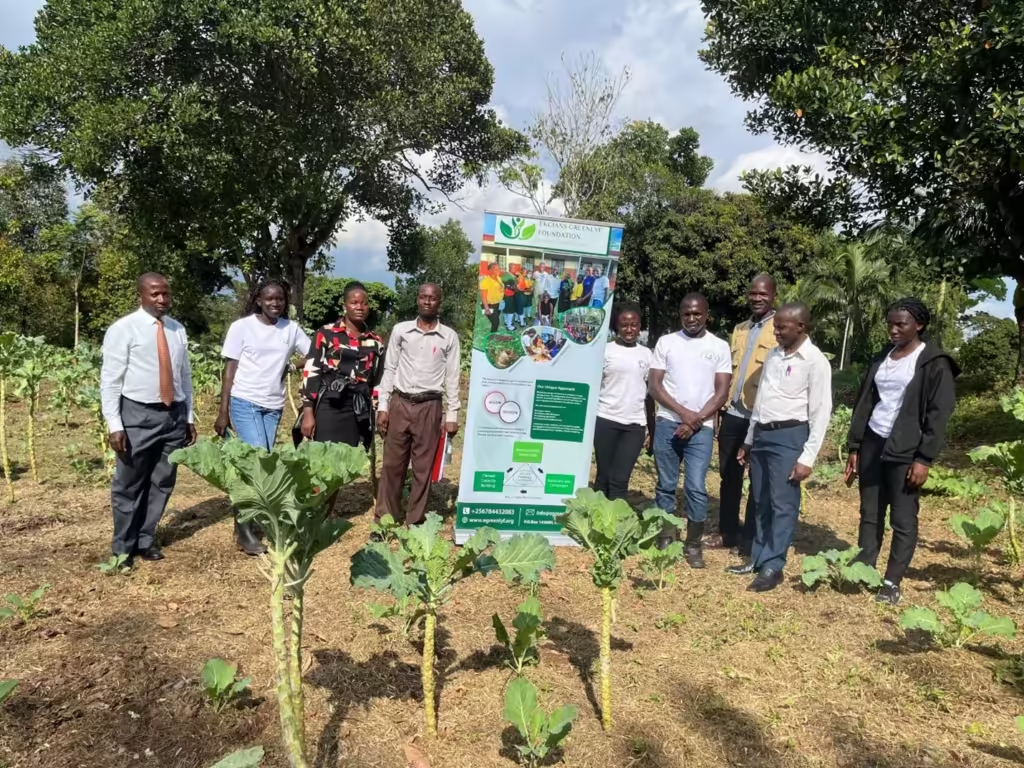
On October 24, 2024, a team from World Vision embarked on an inter-field visit to Ekcians GreenLyf Foundation (EGF) in Buikwe, Uganda. This impactful visit focused on exchanging insights and exploring potential collaboration in climate resilience initiatives and community awareness programs across the Buikwe region. Here’s a look into the highlights and outcomes of the visit. World Vision was particularly interested in EGF’s efforts to build climate resilience and raise community awareness in Ngogwe, Bulele, and Nkoyoyo
Purpose of the Visit
World Vision’s visit to EGF was a unique opportunity for two like-minded organizations to discuss sustainable community development strategies. The key focus areas included understanding EGF’s climate resilience efforts in Ngogwe, Bulele, and Nkoyoyo, and assessing how these initiatives could complement World Vision’s ongoing projects. This meeting demonstrated a joint commitment to building a resilient community capable of thriving in the face of climate challenges.
World Vision’s Buikwe Office and Community Impact
The day began with the EGF team, led by Managing Director Mr. Samuel Kusasira, visiting World Vision’s Buikwe Area Operations Office. Mr. Martín, Project Lead for Livelihood and Resilience, provided an overview of World Vision’s extensive 15-year involvement in Ngogwe and Kasubi counties. Their primary initiatives include:
World Vision’s operations also prioritize child development, with 2,700 children already benefiting from World Vision’s support. These programs are having a profound impact. Now, as World Vision phases out activities in Ngogwe, they are placing emphasis on community self-reliance—laying the groundwork for potential collaboration with EGF.
A Visit to Bukade Magezi Savings and Transformation Group
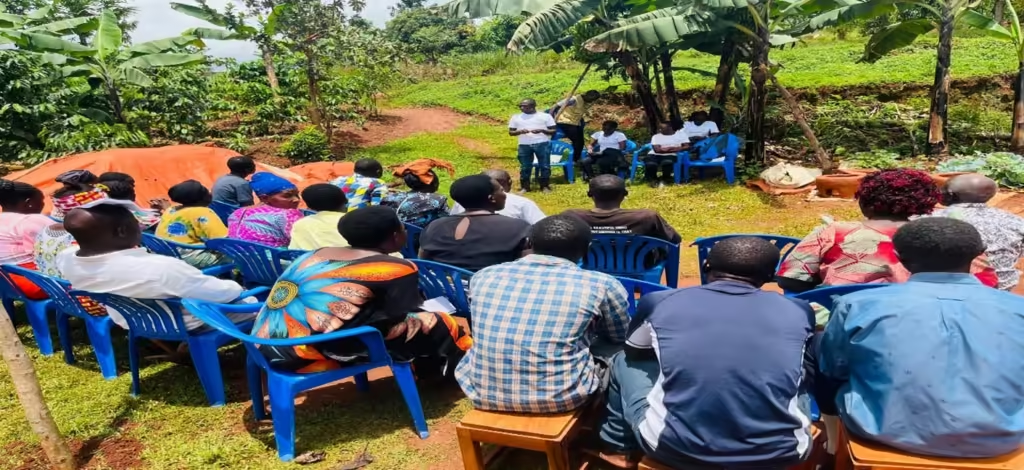
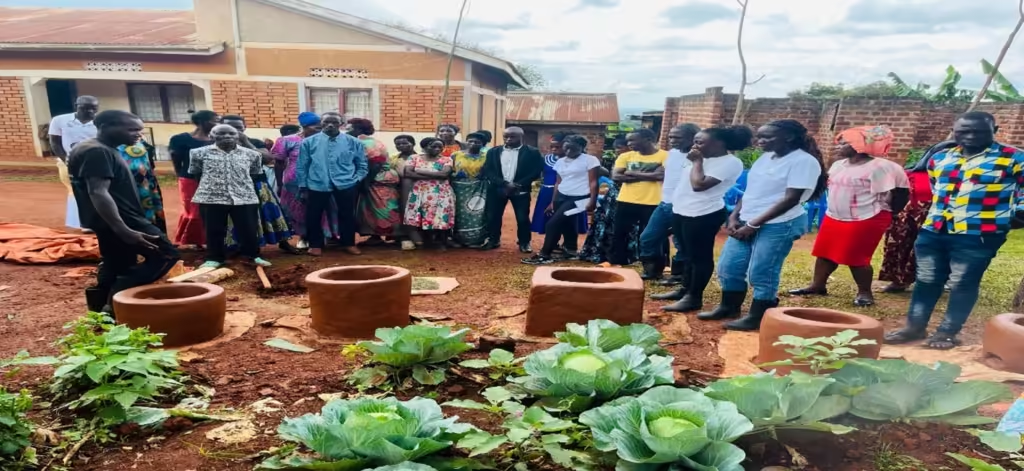
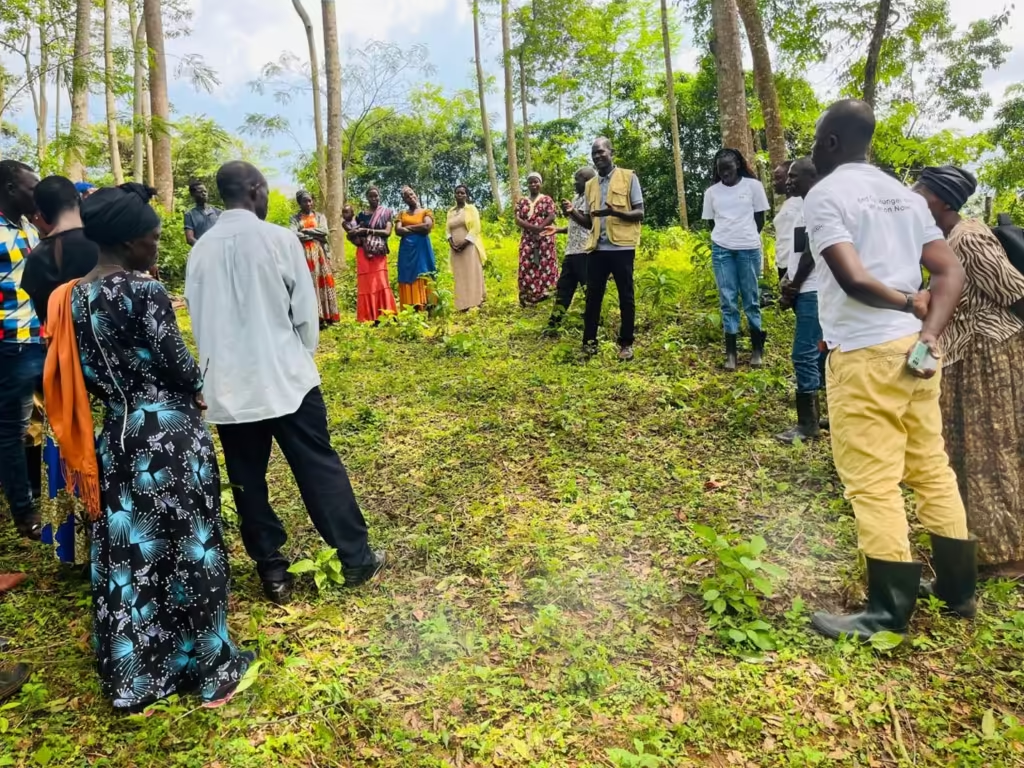
One of the highlights of the day was a visit to the Bukade Magezi household savings group. Comprising 30 members, many of whose children benefit from World Vision’s support, this group is an inspiring example of community-driven initiatives. Key activities at Bukade Magezi include:
They highlighted their focus on planting various trees to combat food insecurity and environmental degradation. By integrating fruit-bearing, indigenous, and medicinal trees, they are enhancing crop productivity, marking land boundaries, and contributing to oxygen exchange—ensuring sustainable agriculture that benefits the whole community. These also act as windbreaks.
FMNR Demonstration Farm: A Model for Deforestation Prevention
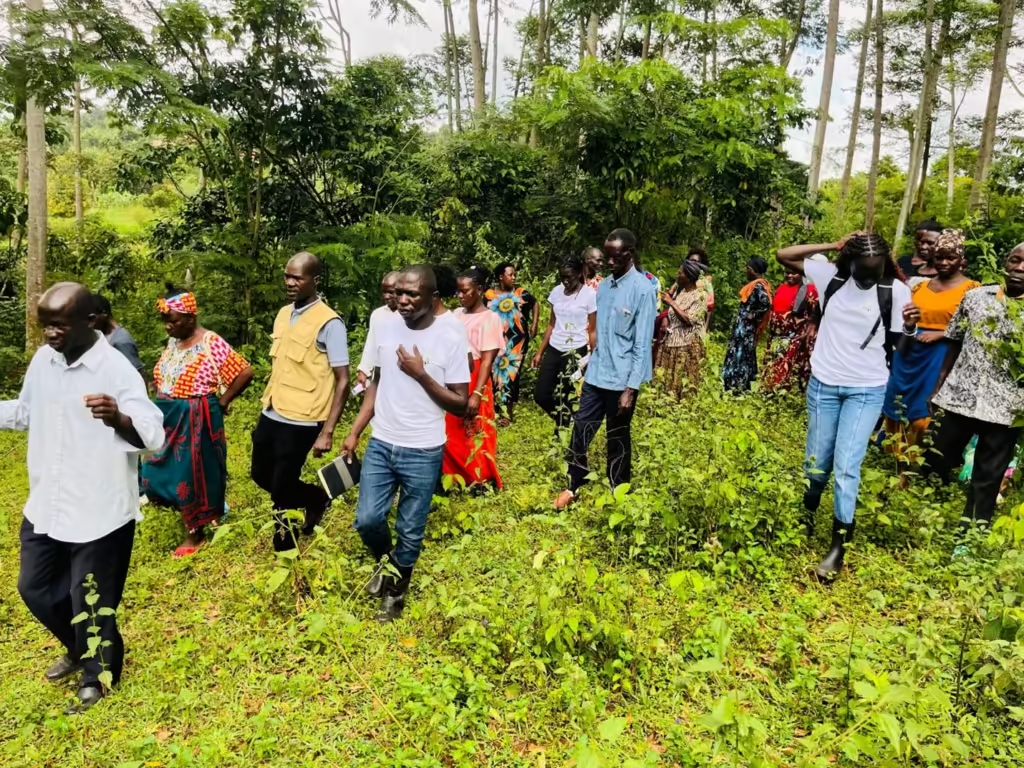
A visit to the FMNR demonstration farm provided further insight into sustainable land management practices. Through FMNR, indigenous trees are conserved, supporting ecosystem restoration and preventing deforestation. This model farm is an educational resource for the community, showing how sustainable practices can preserve biodiversity and maintain soil health—an essential strategy for climate resilience.
EGF’s Environmental Initiatives at Bishop Nkoyoyo Secondary School
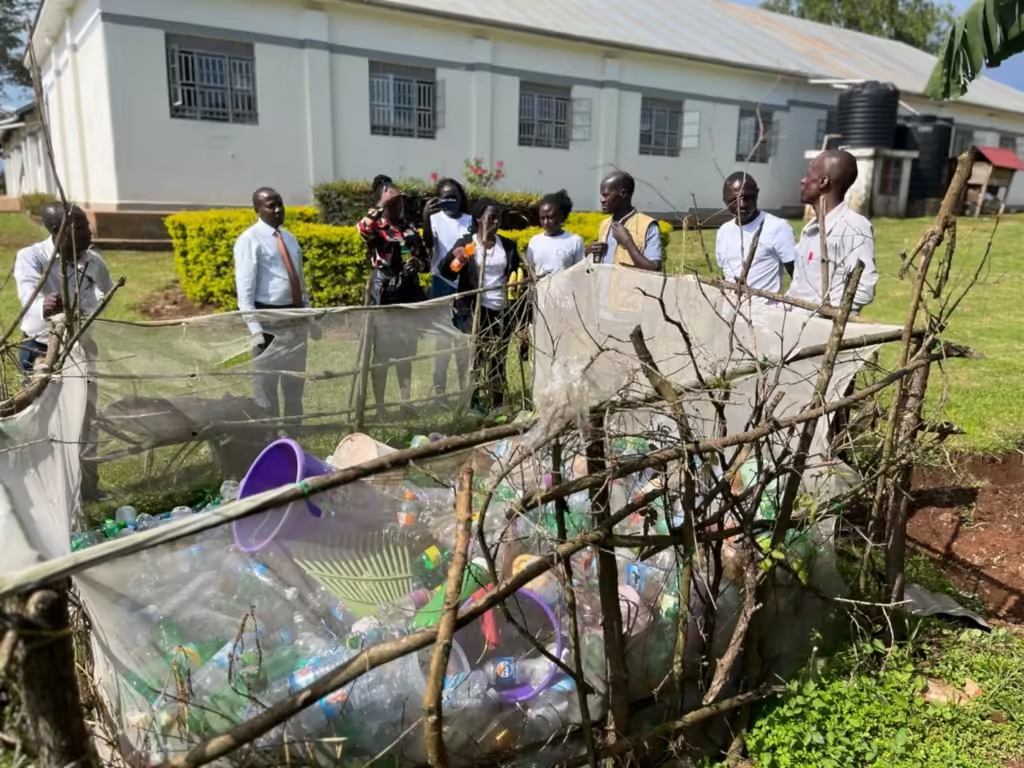
Later in the day, the World Vision team visited Bishop Nkoyoyo Secondary School, where EGF has successfully implemented climate awareness programs. These programs engage students in environmental activities like waste management, backyard gardening, and tree planting. Additionally, EGF conducts career guidance sessions at the school, focusing on the integration of Sustainable Development Goals (SDGs) into local climate advocacy and capacity-building. Through these efforts, students are encouraged to become future leaders in environmental stewardship.
Supporting Sustainable Coffee Production in Najja and Bulere
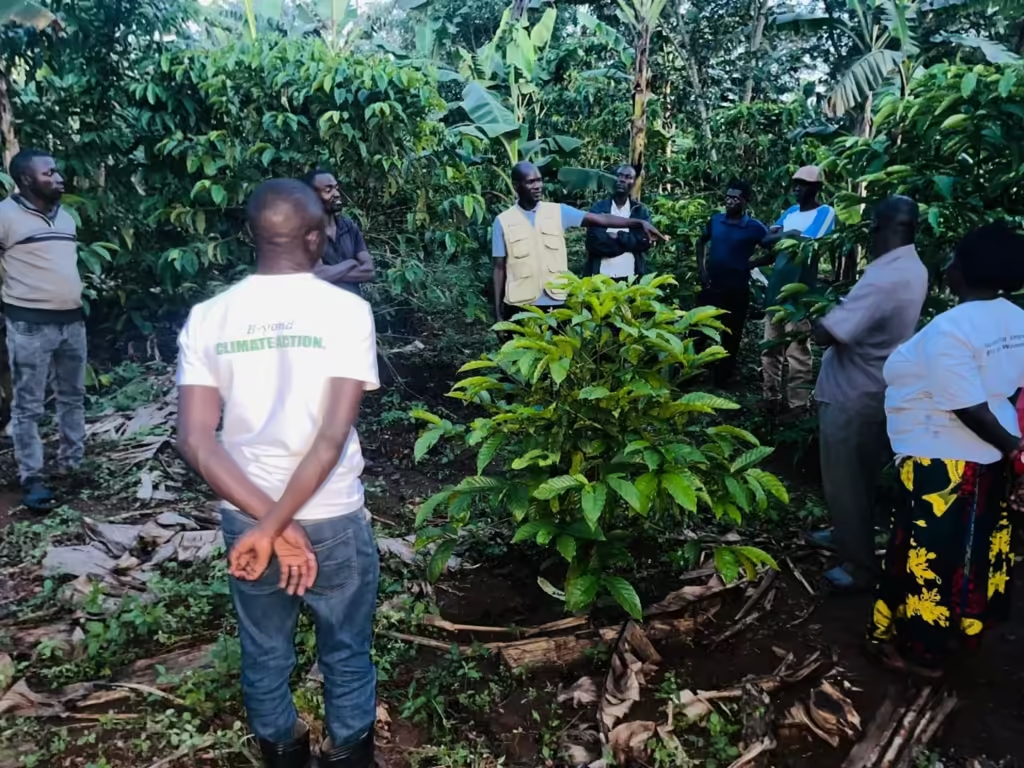
The final stop was a visit to coffee farmers in Najja and Bulere, where EGF has been working for the past four months to promote sustainable coffee production. By educating farmers about tree planting within coffee farms and discouraging deforestation, EGF is helping farmers comply with the European Union’s new import regulations, which prohibit coffee sourced from deforested lands. This education not only helps farmers maintain access to the EU market but also ensures sustainable land use practices are adopted widely.
Laying the Foundation for Future Collaboration
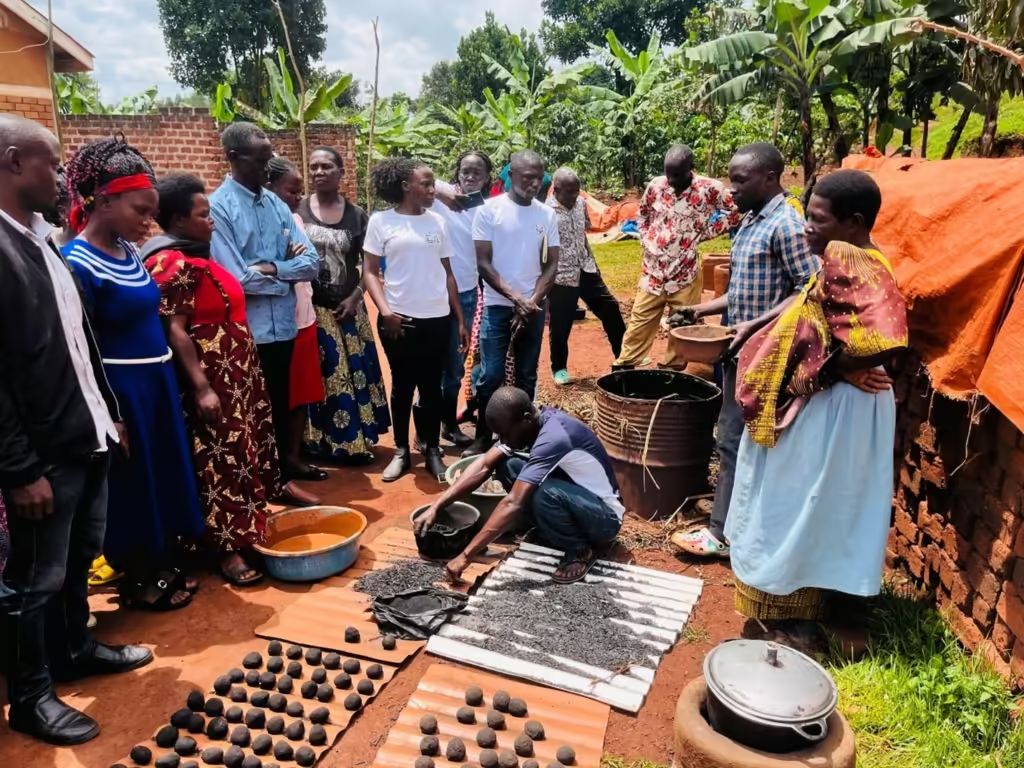
World Vision’s visit to Ekcians GreenLyf Foundation was more than just an observation—it was a meaningful exchange of ideas and strategies to further climate resilience, food security, and sustainable livelihoods in Buikwe. The synergy between World Vision’s long-standing community support and EGF’s innovative climate initiatives opens up exciting possibilities for future collaboration. Together, our organizations can empower communities, enhance self-sustainability, and build a more resilient future.
Through shared knowledge, community empowerment, and sustainable practices are well within reach in the fight against climate change.
Copyright © 2026 Ekcians Greenlyf Foundation. All rights reserved.